818 Pine-A Grove Dr, Wilmington, NC 28409
Why Your Teeth Feel Sensitive During Cleaning and How We Stop It

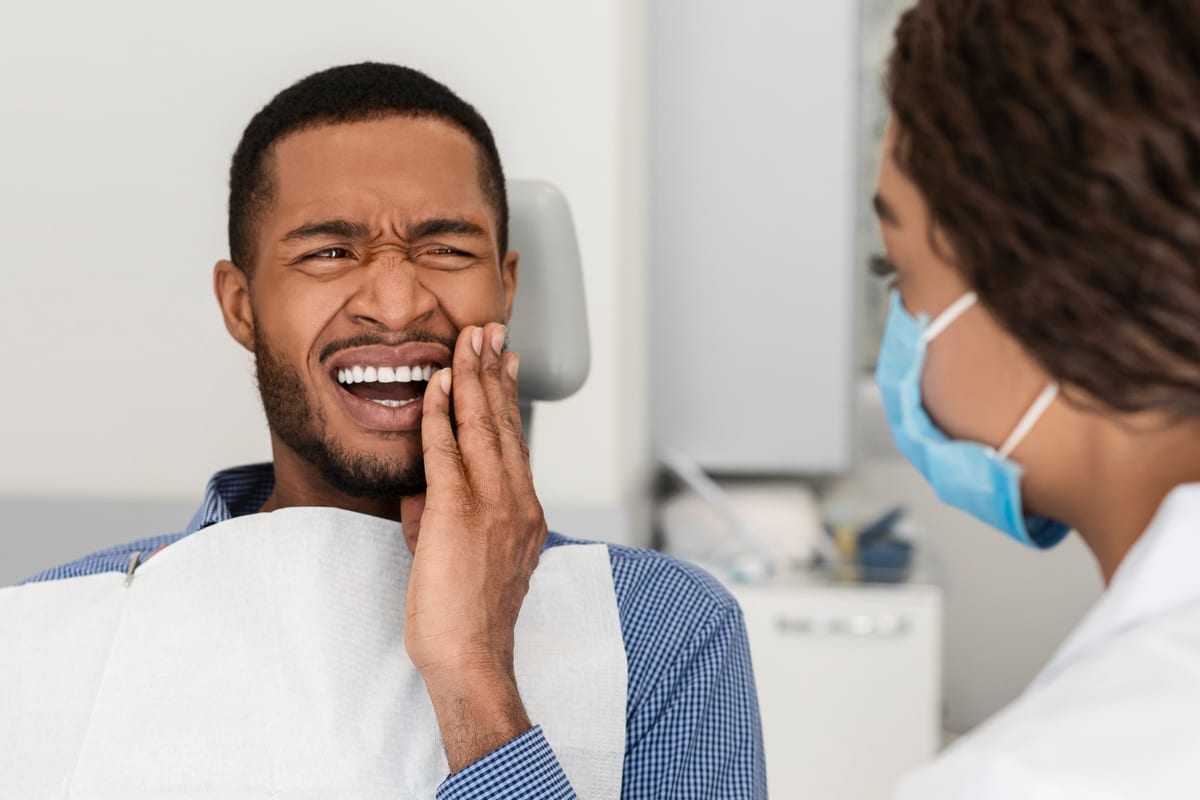
If your teeth feel sensitive during a cleaning, you are not alone. Many patients at Mast Dental in Wilmington, NC share this exact concern. Understanding why your teeth feel sensitive during cleaning and how we stop it in Wilmington starts with knowing what actually happens at the gum line. Dr. Taylor Mast and our hygiene team are committed to making every visit as comfortable as possible.
Sensitivity during cleanings is one of the most common reasons patients put off dental care. That delay can make things worse over time. The good news is that modern hygiene techniques and a compassionate team make a real difference. You deserve a cleaning experience that feels manageable — and we work hard to deliver that.
Why Teeth Feel Sensitive During a Dental Cleaning
Sensitivity happens for several reasons during a professional cleaning. The most common cause is exposed dentin — the inner layer of your tooth beneath the enamel. When enamel wears down or gums recede, dentin becomes vulnerable to pressure and temperature changes. Even light instrument contact can trigger a sharp, brief sensation.
Gum inflammation also plays a major role. Inflamed gums have more nerve activity near the surface. When our hygienist removes tartar buildup near swollen tissue, it can cause noticeable discomfort. This is especially true for patients who have not had a cleaning in over a year.
Tartar itself is another factor. Hardened deposits grip the tooth surface tightly. Removing them requires firm pressure, which can briefly irritate sensitive nerves. Once the tartar is gone, that sensitivity typically decreases significantly.
- Enamel erosion from acidic foods or grinding exposes sensitive dentin
- Gum recession leaves tooth roots unprotected and highly sensitive
- Gum inflammation increases nerve sensitivity near the surface
- Heavy tartar buildup requires more pressure to remove safely
- Teeth grinding (bruxism) wears enamel and heightens sensitivity over time
What Our Hygienist Does to Minimize Sensitivity in Wilmington
At Mast Dental, our hygienists are trained to recognize sensitivity before it becomes a problem. We start every cleaning with a conversation about your comfort level. If you have had sensitivity before, we adjust our approach from the beginning. That small step makes a significant difference.
We use ultrasonic scalers set at lower vibration frequencies for sensitive patients. These tools break up tartar gently using water and vibration rather than sharp scraping. Many patients find them far more comfortable than traditional hand instruments. We also rinse frequently to keep the area cool and clean.
For patients with significant sensitivity, we apply a topical desensitizing agent before the cleaning begins. This numbs the surface just enough to reduce nerve response during the procedure. It is a simple, effective step that requires no needles or anesthesia. Some patients are surprised by how much it helps.
- Pre-cleaning desensitizing gel applied to sensitive areas
- Ultrasonic scaling at lower settings for gentler tartar removal
- Frequent water rinsing to reduce friction and temperature spikes
- Breaks during the cleaning if discomfort becomes significant
- Clear communication throughout so you always feel in control
How Regular Cleanings Actually Reduce Long-Term Sensitivity
One of the most important things to understand is that skipping cleanings makes sensitivity worse. Tartar and plaque buildup leads to gum disease. Gum disease causes recession. Recession exposes roots. Exposed roots are far more sensitive than enamel-covered tooth surfaces.
Regular General Dentistry Wilmington care helps keep gum tissue healthy and firmly attached to the tooth. Healthy gums protect the sensitive root surfaces underneath. Patients who come in every six months consistently report less discomfort over time. The relationship between consistent care and comfort is well established.
Between visits, Dr. Mast may recommend a sensitivity-specific toothpaste. These products contain potassium nitrate or stannous fluoride to calm nerve response. Using them daily for a few weeks before your appointment can noticeably reduce cleaning discomfort. It is one of the easiest ways to prepare your teeth.
Reassurance for Anxious Patients at Mast Dental
Dental anxiety is real, and sensitivity fear is one of its biggest drivers. Many patients avoid the dentist specifically because they dread that sharp, uncomfortable feeling during a cleaning. At Mast Dental, we take that fear seriously. Our entire team is trained to create a calm, supportive environment.
We encourage patients to use a simple hand signal to pause the procedure at any time. You are always in control of the pace of your cleaning. No one will rush you or dismiss your discomfort. That kind of communication builds trust quickly.
If you have significant anxiety alongside sensitivity, we can discuss additional comfort options during your consultation. Dr. Taylor Mast takes time to listen before he recommends anything. Our goal is always to find the approach that works best for each individual patient. You do not have to push through unnecessary discomfort.
We also offer restorative and Cosmetic Dentistry Wilmington services that can address the underlying causes of sensitivity. Cracked enamel, worn surfaces, and exposed roots all have treatment options. Getting to the root cause means long-term relief — not just managing symptoms at every visit. We look at the full picture of your oral health.
Tips to Reduce Sensitivity Before Your Next Appointment
There are practical steps you can take between visits to reduce cleaning sensitivity. Starting about two weeks before your appointment, switch to a desensitizing toothpaste. Use it twice daily and avoid rinsing immediately after brushing for maximum effect. This gives the active ingredients time to block the dentinal tubules that transmit pain.
Avoid highly acidic foods and drinks in the days before your cleaning. Citrus, soda, and vinegar-based foods temporarily weaken enamel. Arriving at your appointment with enamel in its strongest state reduces sensitivity during the procedure. Simple dietary timing can make a real difference.
Stay hydrated and maintain good home care leading up to your visit. Well-hydrated tissue is less inflamed. Lower gum inflammation means less sensitivity during the cleaning. These small habits compound into a noticeably more comfortable experience.
Conclusion
Sensitivity during a dental cleaning is common, but it does not have to define your experience at the dentist. At Mast Dental in Wilmington, NC, Dr. Taylor Mast and our hygiene team use thoughtful techniques to reduce discomfort at every step. From desensitizing gels to gentle ultrasonic tools, we have options for every level of sensitivity. You deserve care that respects your comfort and prioritizes your long-term health. Book Now to schedule your appointment with our team.
Frequently Asked Questions
Why do my teeth hurt so much during a dental cleaning?
Tooth sensitivity during cleanings is usually caused by exposed dentin, gum inflammation, or heavy tartar buildup. When gums recede or enamel wears down, the sensitive inner layer of the tooth becomes exposed to pressure and temperature. Regular cleanings and good home care help reduce this over time by keeping gum tissue healthy and attached.
Can a hygienist do anything to make my cleaning less painful?
Yes. Our hygienists at Mast Dental can apply a topical desensitizing gel before your cleaning begins. We also use ultrasonic scalers at lower settings and take breaks whenever you need them. Simply let us know about your sensitivity before the cleaning starts so we can adjust our approach.
Will my teeth always be this sensitive during cleanings?
Not necessarily. Patients who maintain regular six-month cleanings typically experience less sensitivity over time. This is because consistent care prevents gum disease and recession, which are the main contributors to long-term sensitivity. Using a desensitizing toothpaste daily between visits also helps significantly.
Is it normal for my gums to bleed during a cleaning?
Some bleeding during a cleaning is common, especially if you have gum inflammation or have not had a cleaning recently. Inflamed gums bleed more easily when touched. With regular cleanings and improved home care, bleeding typically decreases as your gum health improves.
Should I take anything before my appointment to reduce sensitivity?
Using a desensitizing toothpaste for two weeks before your appointment is one of the most effective steps you can take. Avoiding acidic foods in the days before your visit also helps protect enamel. Talk to Dr. Mast or your hygienist if you have severe sensitivity — they can recommend additional comfort options specific to your situation.