818 Pine-A Grove Dr, Wilmington, NC 28409
Dentures vs. Implants: Which Saves Your Jaw and Budget

Losing teeth is a life-changing experience. It affects how you eat, speak, smile, and feel about yourself. If you are weighing dentures vs. implants: which saves your jaw and budget in Wilmington, you are asking exactly the right question. This article breaks down both options honestly — covering cost, function, bone health, and long-term quality of life — so you can make a confident, informed decision with Dr. Taylor Mast at Mast Dental.
Understanding the Core Difference Between Dentures and Implants
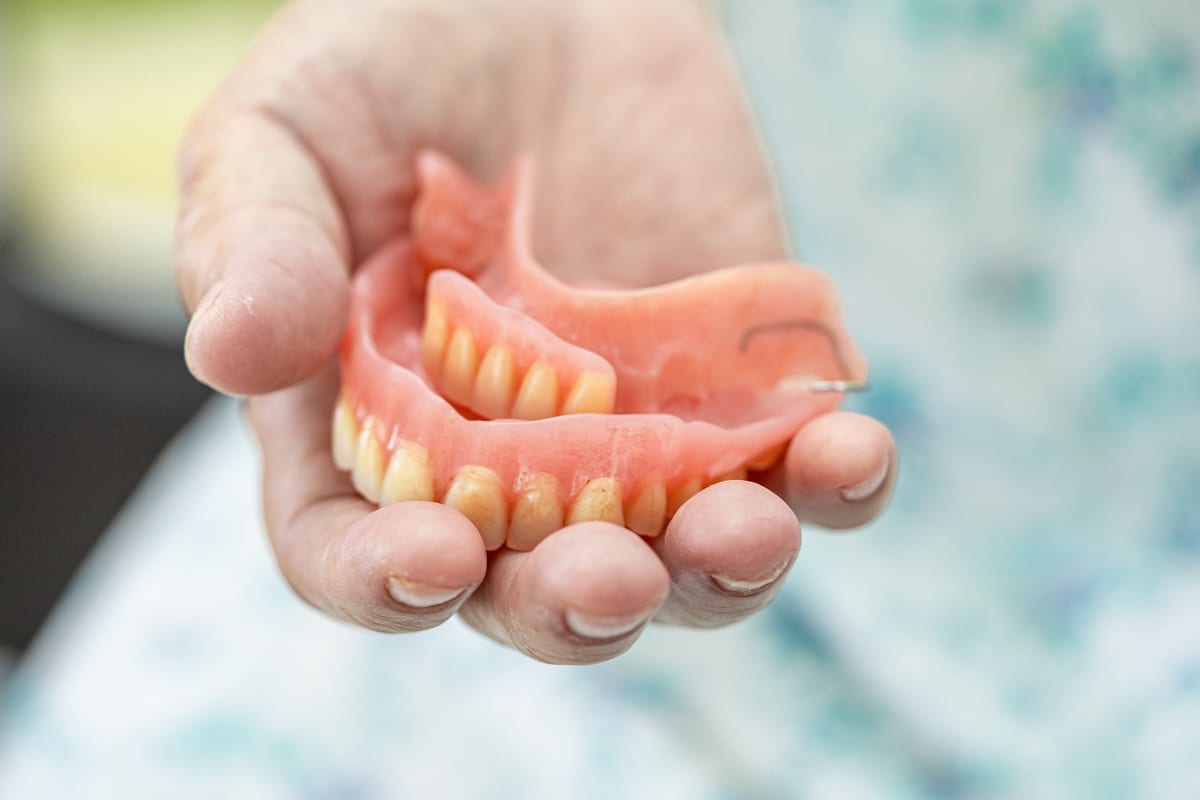
Dentures are removable prosthetic teeth. They sit on top of your gum line and rely on suction, adhesive, or clasps to stay in place. They have been a trusted tooth-replacement solution for generations.
Dental implants are surgically placed titanium posts. They fuse directly with your jawbone and act as artificial tooth roots. A crown, bridge, or implant-supported denture attaches on top.
That single structural difference — sitting on the gum versus anchoring into the bone — drives every other comparison in this guide. It affects stability, chewing power, bone health, maintenance, and yes, long-term cost.
As a General Dentistry Wilmington practice, Mast Dental evaluates both options thoroughly before recommending anything. Every patient has a unique jaw structure, health history, and lifestyle. There is no universal answer — but there is a right answer for you.
Dentures vs. Implants: The Real Cost Breakdown in Wilmington
Upfront, dentures are significantly less expensive than implants. A full set of traditional dentures typically costs a fraction of what a full-arch implant solution runs. That gap matters — especially for patients on a fixed budget.
However, cost comparisons that stop at the sticker price are misleading. Dentures require ongoing expenses that add up quickly over the years.
Consider these hidden long-term costs of dentures:
- Adhesives and cleaning solutions purchased monthly
- Periodic relining as the jaw shrinks and the fit loosens
- Full replacement every five to eight years
- Potential bone grafting if jaw loss becomes severe
Dental implants carry a higher upfront investment. But they are designed to last a lifetime with proper care. Most patients never need to replace a well-maintained implant. Over a 20- or 30-year window, implants often cost less in total than multiple rounds of denture replacement and maintenance.
At Mast Dental, Dr. Taylor Mast walks each patient through realistic cost projections for both paths. Transparency matters here — not just for your wallet, but for your long-term oral health planning.
What Happens to Your Jaw With Each Option
This is where the comparison gets critical. Most patients do not realize what happens to the jawbone after tooth loss. When a tooth root is gone, the bone beneath it no longer receives stimulation. Without stimulation, the bone begins to shrink — a process called resorption.
Dentures sit above the gum line. They do not stimulate the jawbone at all. Over time, the jaw continues to resorb beneath a denture. This is why dentures loosen over time and why patients need frequent refitting. Significant bone loss can also change your facial appearance, creating a sunken look around the mouth and chin.
Dental implants work differently. The titanium post integrates with the jawbone through a process called osseointegration. It mimics a natural tooth root. The bone receives stimulation every time you chew, and resorption slows dramatically or stops altogether.
Preserving your jaw structure is not just about appearance. It protects your remaining teeth, your bite alignment, and your overall facial anatomy. For patients in Wilmington considering long-term oral health, this bone-preservation factor is one of the strongest arguments for implants.
Function, Comfort, and Quality of Life
Ask any long-term denture wearer about the frustrations. Slipping during meals. Avoiding certain foods. The anxiety of laughing or speaking in public. These are real daily challenges — and they take a toll.
Traditional dentures restore roughly 20 to 30 percent of natural chewing force. Implants restore closer to 80 to 90 percent. That difference is enormous when it comes to nutrition, enjoyment of food, and confidence at the dinner table.
Here is a quick comparison of everyday function:
- Stability: Implants are fixed and do not move. Dentures can shift.
- Chewing power: Implants allow nearly full chewing function. Dentures are limited.
- Speech: Implants do not affect speech. Dentures can cause slurring initially.
- Maintenance: Implants are cleaned like natural teeth. Dentures must be removed nightly.
- Taste: Implants do not cover the palate. Some upper dentures reduce taste sensation.
Implant-supported dentures offer a middle ground worth mentioning. These combine the affordability of denture prosthetics with the stability of implants. Four to six implants anchor a full-arch prosthetic securely. Patients get significantly better stability than traditional dentures at a lower cost than individual implants for every tooth.
If you are interested in smile-focused solutions alongside tooth replacement, our team also offers Cosmetic Dentistry Wilmington services that can complement your restoration plan beautifully.
Who Is a Good Candidate for Each Option?
Not everyone qualifies for dental implants right away. Implants require sufficient jawbone density to support the titanium post. Patients with significant bone loss may need a bone graft first. Certain health conditions can also affect candidacy.
Dentures are generally accessible to most patients experiencing tooth loss. They can be placed relatively quickly after extraction. For patients who need immediate tooth replacement, dentures offer a faster solution.
Implants require a surgical procedure and a healing period that can span several months. Patience is part of the process. But the outcome — a permanent, stable, bone-preserving restoration — is worth the timeline for many patients.
Dr. Taylor Mast conducts a thorough evaluation before recommending either path. This includes reviewing your bone density, gum health, and overall medical history. The goal is always to match the right solution to the right patient — not to push one option over another.
Making the Right Choice for Your Smile and Your Future
The dentures vs. implants debate does not have one universal winner. It has a right answer for your specific situation. Dentures offer accessibility, lower upfront cost, and a proven track record. Implants offer permanence, bone preservation, and superior function over a lifetime.
If budget is the primary concern today, dentures can be a solid stepping stone. Many patients start with dentures and transition to implant-supported options later as circumstances allow. Dr. Mast helps patients plan both short-term and long-term strategies that make sense for their lives.
What matters most is that you do not leave missing teeth unaddressed. Every month without a replacement option accelerates bone loss and makes future restoration more complex. Acting sooner protects more of your jaw and gives you more choices down the road.
Mast Dental is here to guide Wilmington patients through every step of this decision with honesty, expertise, and genuine care. Book Now to schedule your appointment with our team.
Frequently Asked Questions
How long do dental implants last compared to dentures?
Dental implants are designed to last a lifetime with proper brushing, flossing, and regular dental visits. Traditional dentures typically need to be replaced every five to eight years and require periodic relining as the jawbone changes shape over time.
Can you get dental implants if you have been wearing dentures for years?
Yes, but long-term denture wearers often experience significant jawbone loss. A bone grafting procedure may be needed before implants can be placed. Dr. Taylor Mast evaluates bone density during your consultation to determine the best path forward.
Are implant-supported dentures a good middle option?
Implant-supported dentures are an excellent middle-ground solution. They use a small number of implants — typically four to six — to anchor a full-arch prosthetic. Patients gain far better stability than traditional dentures at a lower cost than replacing every tooth individually with implants.
Do dentures cause bone loss in the jaw?
Yes. Traditional dentures rest on the gum surface and do not stimulate the jawbone beneath. Without stimulation, the bone gradually resorbs. This is why denture fit loosens over time and why patients may notice changes in their facial appearance after years of denture use.
How do I know which option is right for me in Wilmington?
The best way to find out is through a thorough consultation with Dr. Taylor Mast at Mast Dental. He evaluates your bone health, gum condition, lifestyle, and goals to recommend the solution that truly fits your situation — not just the most expensive or least expensive option.