818 Pine-A Grove Dr, Wilmington, NC 28409
Your Invisalign Journey Isn’t Over: Why Retainers Are Non-Negotiable

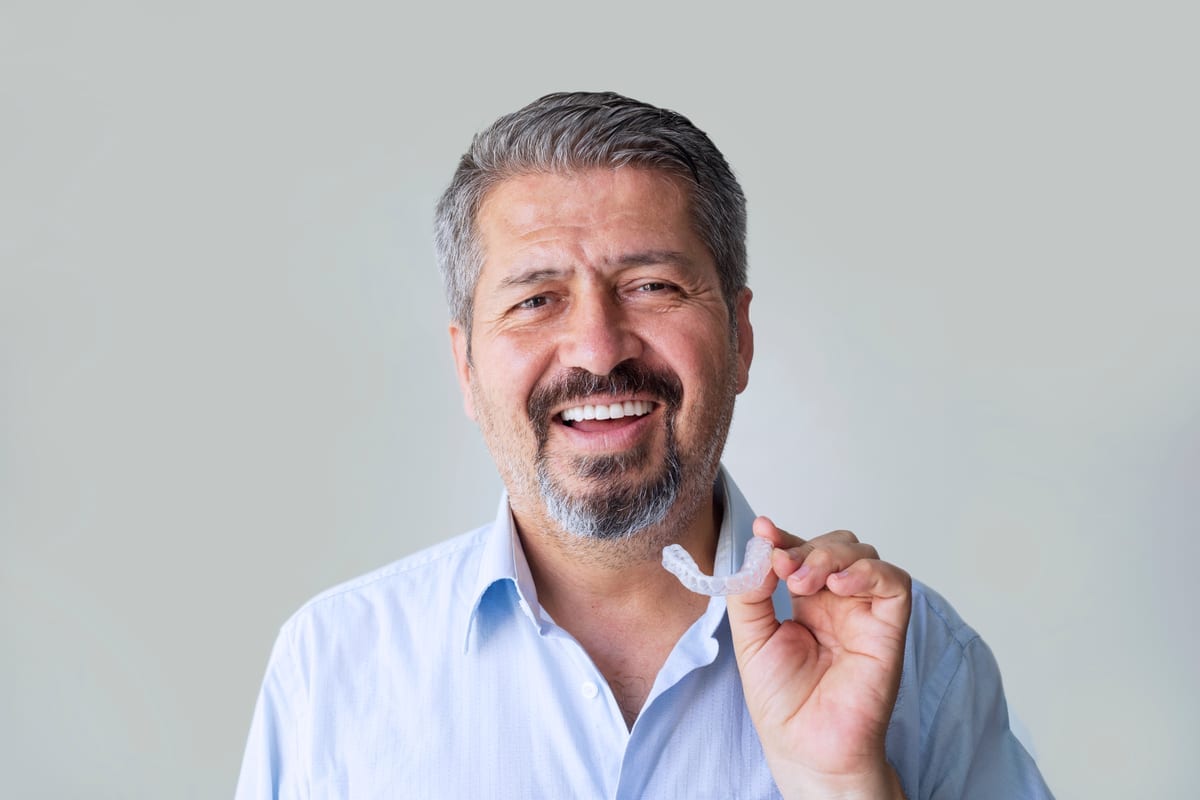
Completing your Invisalign treatment is an exciting milestone. You’ve invested time, patience, and commitment into straightening your smile. But here in Wilmington, many patients are surprised to learn the journey isn’t finished yet. Understanding why retainers are non-negotiable after Invisalign is the key to protecting everything you’ve worked for.
Teeth have a powerful memory. Without the right retention plan, they can shift back toward their original positions faster than most people expect. Dr. Taylor Mast at Mast Dental helps Wilmington patients navigate this critical phase so their results last a lifetime.
What Happens to Your Teeth After Invisalign Ends?
When your final Invisalign tray comes out, your teeth are in their new positions — but the surrounding bone and ligaments haven’t fully stabilized yet. The periodontal ligaments that hold your teeth in place are still pliable. They need time to adapt and harden around the new alignment.
This process is called bone remodeling. It takes months to complete properly. During this window, your teeth are especially vulnerable to shifting. Even minor pressure from daily habits like chewing or sleeping can nudge them out of position.
Without a retainer, relapse is almost inevitable. Studies consistently show that teeth begin to drift within weeks of finishing orthodontic treatment. The result can be crowding, spacing, or a return to the exact problem you spent months correcting. That’s a frustrating outcome no patient wants to face.
Why Retainers Are Non-Negotiable in Wilmington and Beyond
Retainers do one critical job — they hold your teeth exactly where your Invisalign treatment left them. They give the bone and ligaments the time they need to solidify around the new positions. Without that holding force, natural biological pressure wins every time.
Think of retainers as the finishing step that locks in your investment. Invisalign moved your teeth to the right place. Retainers keep them there. Skipping this step is like removing a cast before a broken bone has fully healed.
There are two main types of retainers your provider may recommend:
- Removable retainers — Clear, custom-fitted trays similar in appearance to Invisalign aligners. You can take them out to eat and clean your teeth.
- Fixed retainers — A thin wire bonded to the back of your teeth. It works continuously without any daily effort from you.
- Combination retainers — Some patients use both types together for maximum protection, especially in the first year.
Dr. Mast evaluates each patient’s specific case before recommending a retention approach. The right choice depends on your bite, your lifestyle, and how your teeth responded to treatment.
How Long Do You Actually Wear a Retainer?
This is one of the most common questions patients ask after Invisalign. The honest answer is that retention is a long-term commitment. Most orthodontic guidelines recommend wearing retainers full-time for the first three to six months after treatment ends.
After that initial phase, nighttime wear is typically sufficient for most patients. Wearing your retainer every night while you sleep gives your teeth the consistent support they need. Many dental professionals recommend nightly retainer wear indefinitely to prevent any future shifting.
It may sound like a big commitment, but the alternative is far more costly. Relapse can mean returning to clear aligner treatment or exploring other corrective options. A nightly retainer is a small habit compared to those consequences.
Life does happen, though. Retainers can be lost, damaged, or worn out over time. If that happens, contact Mast Dental promptly. The longer you go without a retainer, the greater the risk of noticeable movement.
Signs Your Teeth Are Shifting — And What to Do
Even with a retainer, it’s smart to stay alert for early warning signs of shifting. Catching movement early makes correction much simpler. Here are key signs to watch for:
- Your retainer feels tight or uncomfortable when you put it in
- You notice gaps or crowding that weren’t there before
- Your bite feels slightly off when chewing
- Your retainer no longer fits snugly against your teeth
A tight-feeling retainer is actually a good sign that it’s doing its job. But significant tightness that doesn’t ease within a day or two may signal that your teeth have moved. Don’t force a retainer that no longer fits properly — that can damage your teeth.
Schedule a check-in with Dr. Mast if anything feels different. Early intervention is always easier than correcting more significant relapse. The team at Mast Dental is here to help you stay on track long after your last aligner.
Caring for Your Retainer in Wilmington’s Climate
Proper retainer care extends the life of your appliance and keeps your smile healthy. Wilmington’s warm, humid climate can affect how you store and clean your retainer. Heat and moisture require a little extra attention to hygiene.
Clean your removable retainer daily with a soft-bristled toothbrush and mild soap. Avoid hot water — it can warp the plastic and ruin the fit. Store your retainer in its case when you’re not wearing it, and keep it away from heat sources like car dashboards.
For fixed retainers, flossing around the wire is essential. Food and plaque can accumulate behind it. Your regular teeth cleaning appointments at Mast Dental are an ideal time to have the wire professionally cleaned and inspected.
If you ever experience a dental emergency — such as a cracked retainer that has cut your gum — the team also offers Emergency Dentistry Wilmington services to address urgent concerns quickly. In some cases, tooth movement after extended retainer loss may also prompt a conversation about whether Tooth Extractions Wilmington or other restorative steps are appropriate — though that’s a rare scenario caught early with proper monitoring.
Protecting Your Smile: The Long-Term View
Your Invisalign results represent real work and real investment. Retention is not an optional add-on — it’s the phase that makes those results permanent. Patients in Wilmington who commit to their retainers consistently report satisfaction with their smile for years to come.
Dr. Taylor Mast and the Mast Dental team believe in educating every patient about what comes after treatment ends. Knowing the why behind retainer wear makes it far easier to stay consistent. You’re not just wearing a piece of plastic — you’re protecting a smile you earned.
If you’ve recently completed Invisalign, or if you’re considering starting your orthodontic journey, our team is ready to guide you through every step — including retention. Book Now to schedule your appointment with our team.
Frequently Asked Questions
How soon after Invisalign do I need to start wearing a retainer?
You should begin wearing your retainer immediately after your final Invisalign tray. Even a few days without one can allow early shifting. Dr. Mast will have your retainer ready so there’s no gap between treatment completion and retention.
Can I stop wearing my retainer after a few years?
Most dental professionals advise against stopping retainer wear completely. Teeth can continue shifting throughout your life due to natural aging, jaw changes, and daily forces. Nightly wear is a simple habit that protects your smile indefinitely.
What happens if my retainer breaks or gets lost?
Contact Mast Dental as soon as possible. The longer you go without a retainer, the more your teeth may shift. A replacement can typically be made quickly using impressions or digital scans of your teeth.
Is a fixed retainer better than a removable one?
Both options are effective when used correctly. Fixed retainers provide around-the-clock retention without relying on patient compliance. Removable retainers offer easier cleaning. Dr. Mast will help you determine which type — or combination — suits your specific needs best.
Do retainers affect speaking or eating?
Removable retainers should be taken out during meals, so eating is not affected. Some patients notice a slight lisp when they first begin wearing a new retainer. This typically resolves within a few days as your tongue adjusts to the appliance.