818 Pine-A Grove Dr, Wilmington, NC 28409
Teeth Whitening Maintenance Tips


Your whitening results don’t have to fade — but they will without the right care. Most patients leave a whitening appointment thrilled with their results. Then, a few months later, that brightness quietly disappears. Understanding why this happens puts you back in control. The habits you build after whitening matter just as much as the treatment itself.
How Long Do Teeth Whitening Results Actually Last?
Most professional whitening treatments last between six months and two years. That range is wide for a reason. Your lifestyle choices play the biggest role in where your results fall on that spectrum. Patients who actively protect their results stay on the longer end.
In-office whitening treatments remove deep stains and lift your enamel’s natural shade. However, enamel is porous. It absorbs pigments from food, drinks, and tobacco over time. Without consistent maintenance, discoloration slowly creeps back in.
At-home whitening kits from a dental office typically last six to twelve months. Over-the-counter strips tend to fade faster. The quality and concentration of the whitening agent makes a significant difference in longevity.
The Biggest Habits That Shorten Your Whitening Results
Certain daily habits accelerate staining more than others. Knowing which ones cause the most damage helps you make smarter choices. You do not have to eliminate everything — but moderation and timing matter.
Here are the most common culprits that shorten whitening results:
- Coffee and tea: Both contain tannins that cling to enamel and cause yellowing over time.
- Red wine: Deep pigments in red wine stain porous enamel quickly and consistently.
- Smoking and tobacco: Nicotine and tar create stubborn brown and yellow stains that are hard to reverse.
- Tomato-based sauces: The deep color and acidity of tomato products accelerate surface staining.
- Berries and dark juices: Blueberries, pomegranate, and similar foods leave strong pigments behind.
- Soy sauce and balsamic vinegar: These condiments are highly pigmented and acidic, making them a double threat.
Acidic foods and drinks also matter beyond just pigmentation. Acid weakens enamel temporarily, making it more porous. Staining agents absorb faster into softened enamel. Rinsing with water after acidic foods reduces this effect significantly.
Real Maintenance Habits That Protect Your Results
Good maintenance is not complicated. It just requires consistency. Small daily habits compound over time to keep your smile noticeably brighter for longer. These are the practical steps our dental team recommends most.
Use these habits to extend your whitening results:
- Drink through a straw: Straws redirect staining beverages away from your front teeth.
- Rinse after staining foods: A quick water rinse immediately after eating reduces pigment absorption.
- Brush twice daily: Use a whitening toothpaste that gently polishes surface stains.
- Floss every day: Flossing removes buildup between teeth that leads to discoloration.
- Use a touch-up whitening kit: Short monthly touch-up sessions maintain brightness between full treatments.
- Schedule regular cleanings: Professional cleanings remove tartar and surface stains that brushing misses.
- Avoid smoking: Quitting or reducing tobacco use is the single most impactful thing you can do for lasting whiteness.
Timing matters too. Teeth are most vulnerable to staining in the first 48 hours after whitening. During this window, avoid deeply pigmented foods and drinks entirely. Think of it as a critical protection period for your fresh results.
When to Consider a Touch-Up Whitening Treatment
Even with excellent habits, results fade gradually. This is completely normal. Teeth naturally pick up some staining over time regardless of how careful you are. Knowing when to schedule a touch-up keeps your smile consistently bright.
Most patients benefit from a professional touch-up once or twice a year. Your dental team can assess the current shade of your teeth at routine cleaning appointments. They will recommend a touch-up schedule based on your lifestyle and staining rate. This personalized approach avoids over-whitening, which can cause sensitivity.
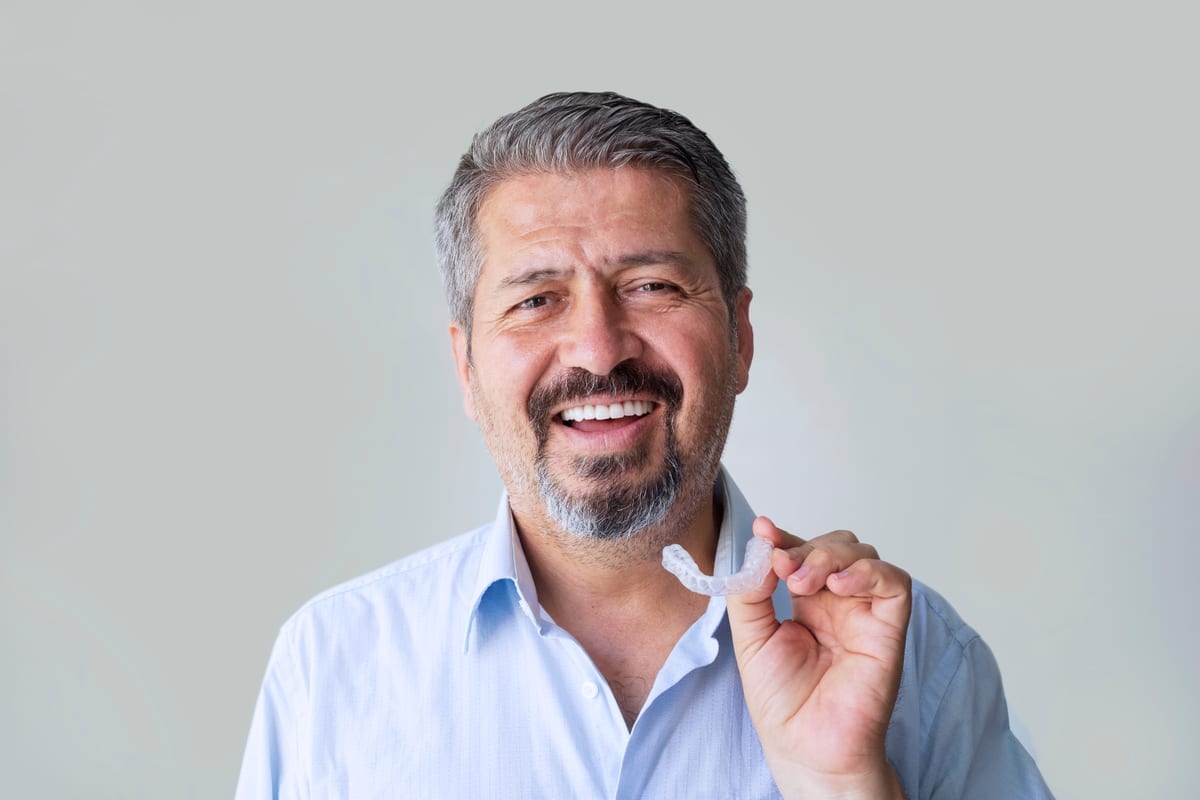
At-home maintenance kits prescribed by your dentist are a convenient option. Custom trays ensure even whitening coverage. They use a lower concentration gel, making them safe for frequent use. Monthly ten-to-fifteen-minute sessions are often enough to maintain your desired shade.
If you notice significant fading before your scheduled touch-up, do not wait. Address it early before staining becomes more deeply set. Light surface staining responds much more quickly to treatment than entrenched discoloration.
Sensitivity After Whitening and How to Manage It
Tooth sensitivity is the most common side effect of whitening treatments. It typically appears during or shortly after treatment. For most patients, it resolves within a day or two. Understanding it helps you avoid habits that make it worse.
Sensitivity occurs because whitening agents temporarily open enamel pores. This exposes the underlying dentin layer, which connects directly to nerve endings. Cold drinks, air, and pressure can trigger brief discomfort during this time. It is temporary and manageable.
To reduce sensitivity after whitening, try these steps. Use a toothpaste formulated for sensitive teeth for a week before and after treatment. Avoid extremely cold or hot beverages in the first 24 to 48 hours. Ask your dental team about fluoride treatments, which help remineralize and seal enamel after whitening.
Conclusion: Protect the Smile You Worked For
Getting your teeth whitened is an investment in your confidence. Protecting that investment takes real, consistent effort. Small daily decisions — what you drink, when you rinse, how often you touch up — add up to months of extra brightness. Your whitening results don’t have to fade when you build the right habits from the start. Our dental team at Mast Dental is here to support your smile long after your whitening appointment ends. Learn More about how we can help you.
Frequently Asked Questions
How soon after whitening can I drink coffee?
Most dental professionals recommend waiting at least 48 hours after whitening before consuming coffee or other staining beverages. This is the period when enamel is most porous and absorbs pigments fastest. If you must have coffee during this window, drink it through a straw and rinse your mouth immediately afterward.
Does whitening toothpaste help maintain results?
Whitening toothpastes can help remove surface stains and slow the rate of discoloration. They are not as powerful as professional treatments, but they are a useful daily maintenance tool. Look for toothpastes with mild abrasives or hydrogen peroxide for the best surface-staining protection.
How often should I get a professional whitening touch-up?
Most patients do well with one or two professional touch-ups per year. The exact frequency depends on your diet, lifestyle habits, and how quickly your teeth restain. Your dental team can monitor your shade at routine visits and recommend touch-ups at the right time.
Can I whiten my teeth too often?
Yes, over-whitening is possible and can lead to increased sensitivity and enamel damage. It is important to follow the schedule recommended by your dental team. Using professional-grade products with proper guidance reduces this risk significantly compared to using over-the-counter kits without direction.
Does smoking permanently affect whitening results?
Smoking significantly accelerates staining and shortens the lifespan of whitening results. Tobacco products contain nicotine and tar, which create stubborn brown and yellow stains. Patients who smoke typically need more frequent touch-ups. Reducing or eliminating tobacco use is one of the most effective ways to preserve your whitening investment.